Level 1
Ages 6–8
Recognize · Prevent · Get help
Recognize everyday hazards, protect yourself and learn basic first aid.
Learn through games, demonstrations and simple, guided simulations.

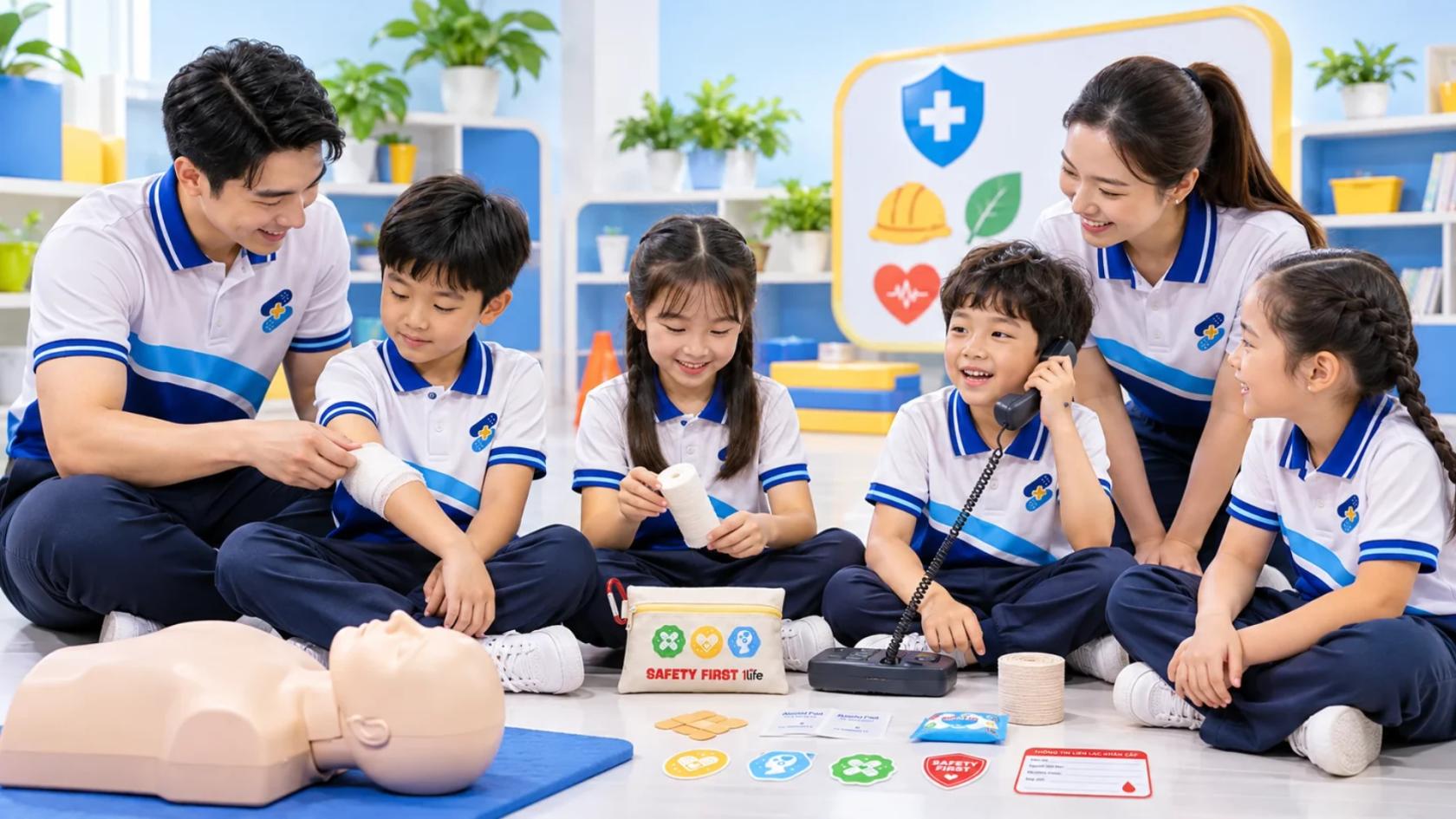
Safety Lab helps children aged 6–11 recognize hazards, call for help, respond to emergencies and learn basic first aid through simulations and hands-on practice.
Children learn to recognize when something is wrong, stay calm and respond appropriately.

Recognize hazards and choose a safe response.

Call for help and explain what happened and where.

Recognize injuries and learn age-appropriate first aid.

Recognize burn hazards and know when to alert an adult.
Recognize signs of choking, seek help and practise age-appropriate responses in a simulation.

Recognize injuries after falls or collisions and know how to get help.
Identify hazards, avoid exposure and alert an adult.
Recognize hazards around water and practise calling for help from a safe place.
The two levels have separate classes and curricula. Both develop the same eight core skills with age-appropriate expectations.
Level 1
Recognize · Prevent · Get help
Recognize everyday hazards, protect yourself and learn basic first aid.
Learn through games, demonstrations and simple, guided simulations.
Level 2
Assess · Decide · Respond
Assess risk, communicate clearly in emergencies and choose an appropriate response.
Role-play, work in groups and practise age-appropriate multi-step skills under supervision.
Six Labs connect safety skills to settings children know.
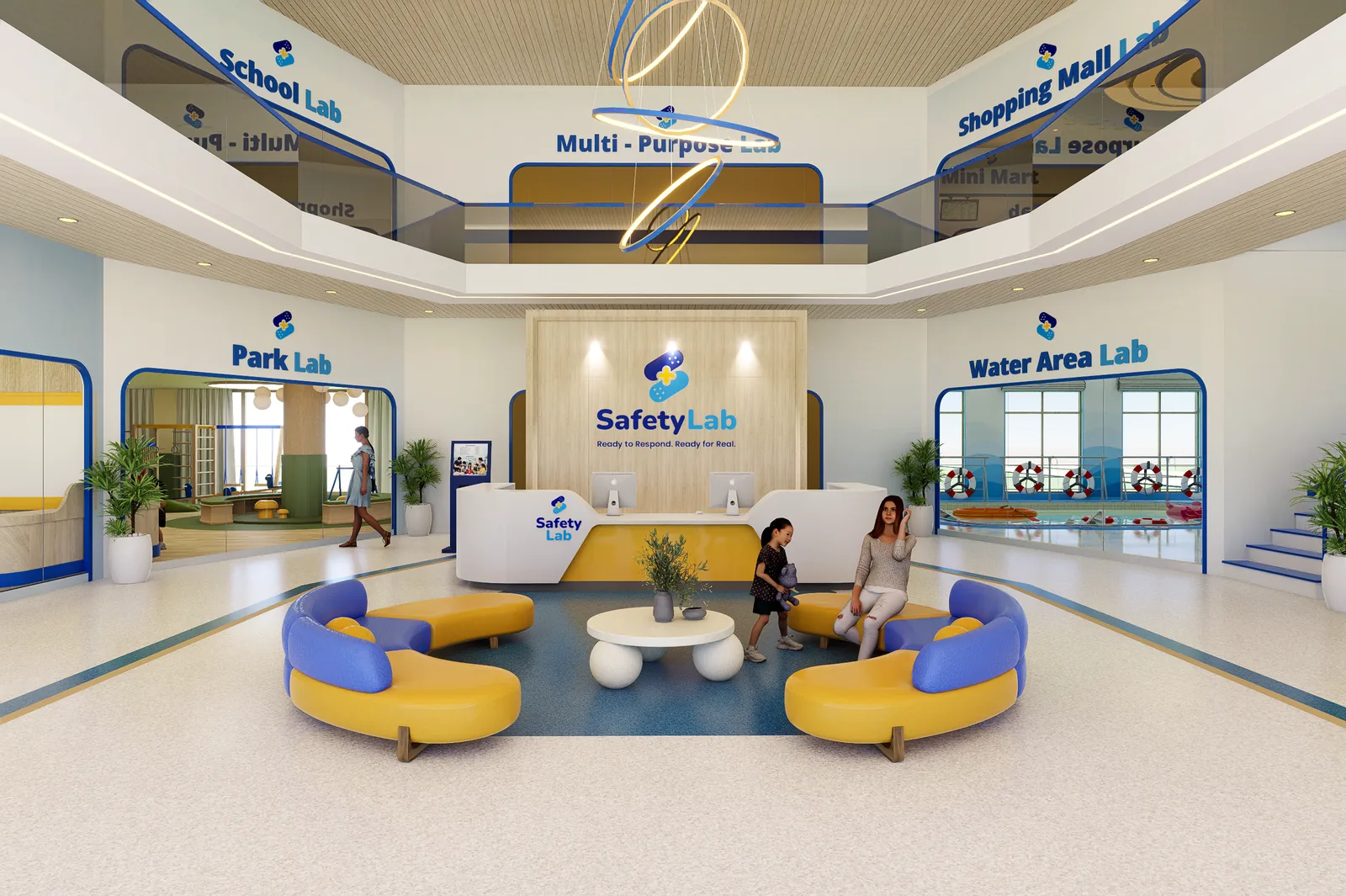
The reception area and starting point for exploring the learning spaces.
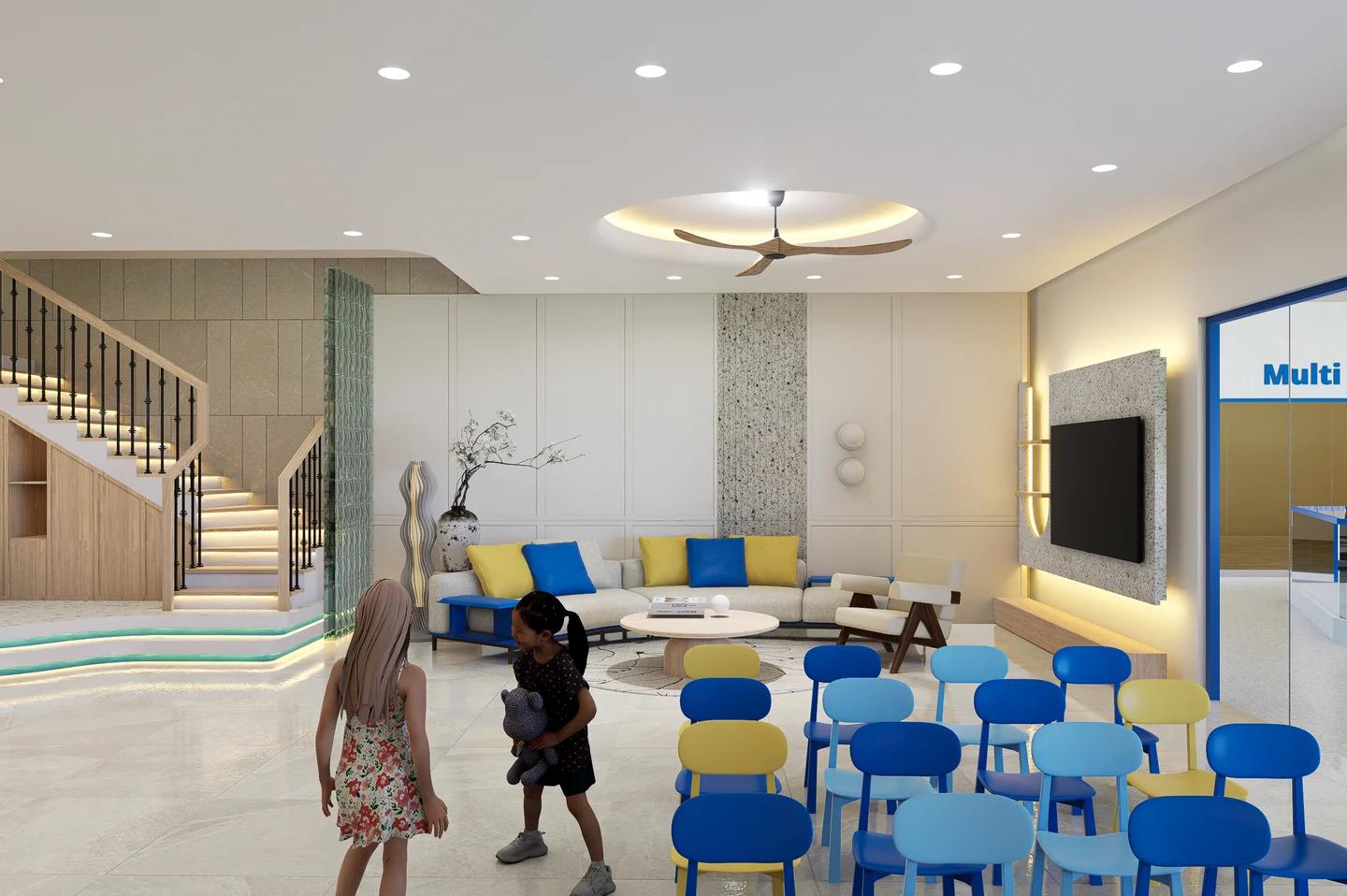
Spot household hazards, move to safety and call an adult. Children learn basic responses to minor burns, nosebleeds, cuts and bumps.
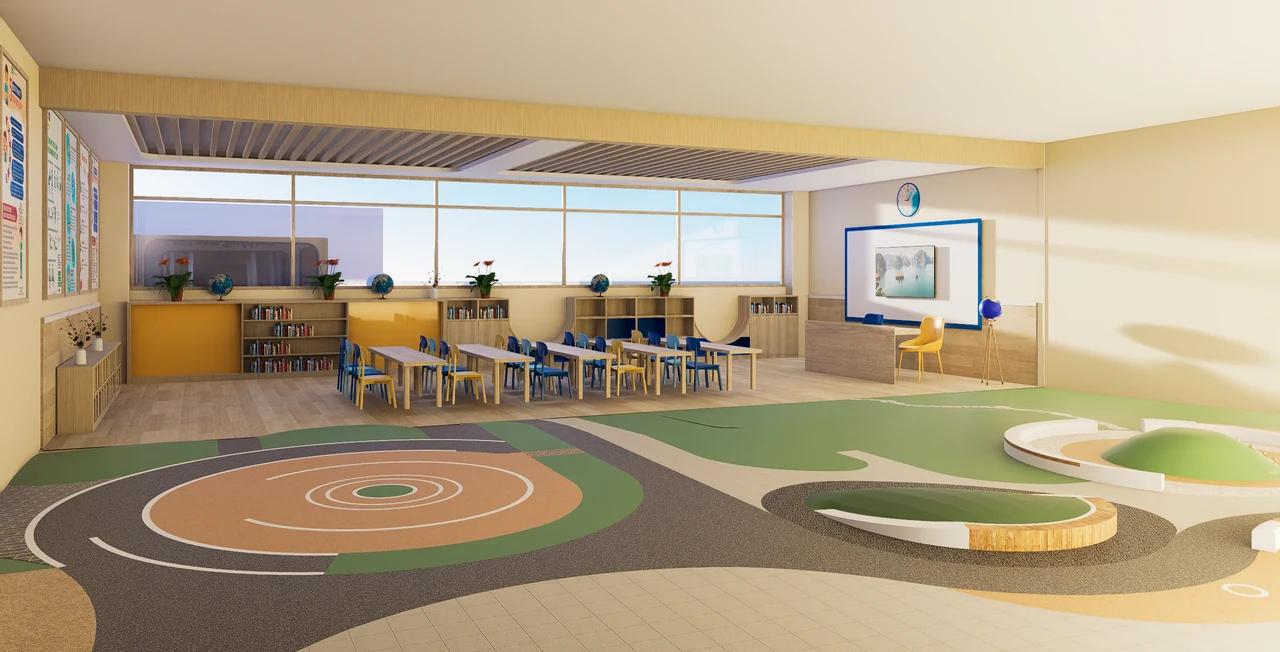
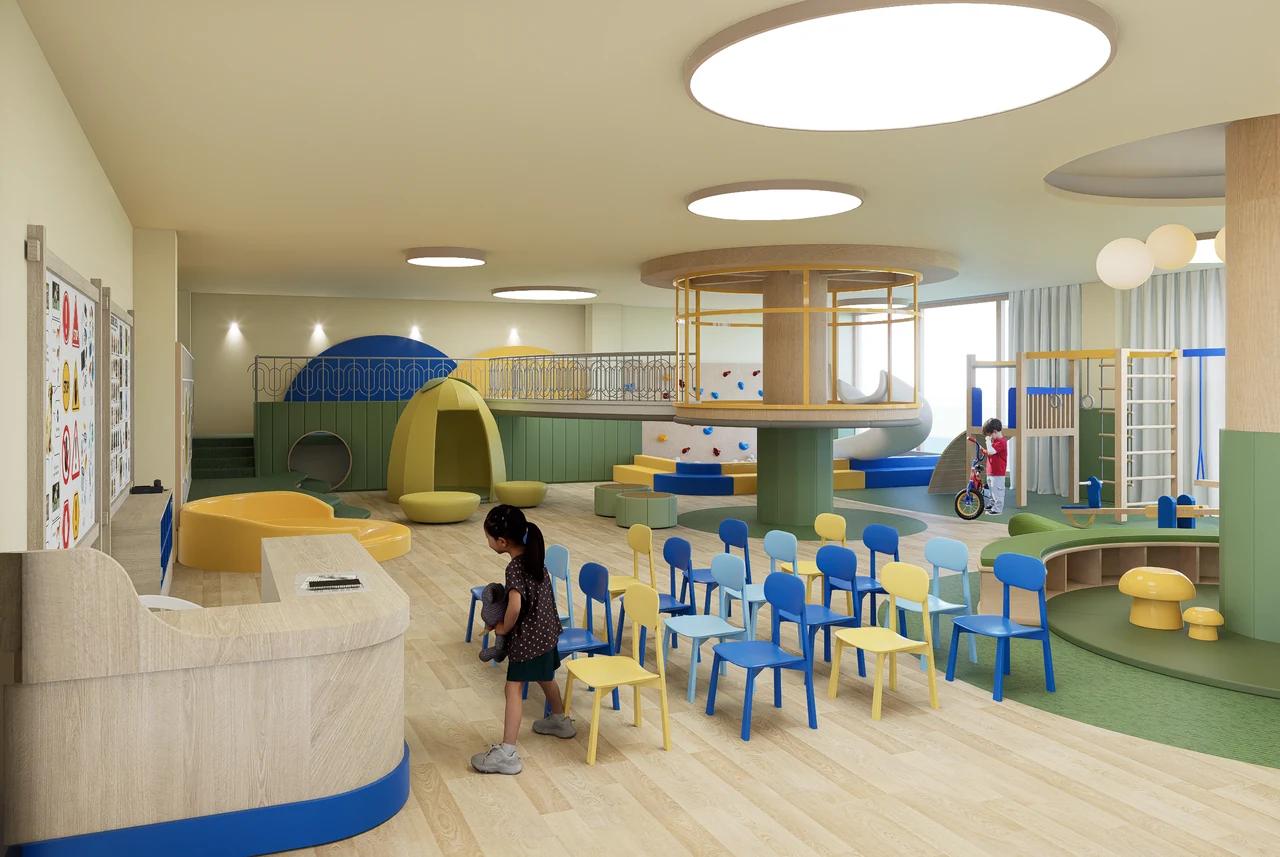
Recognize choking, fall and collision risks, know when to alert a teacher or school health staff and learn how to respond to scrapes and minor injuries.
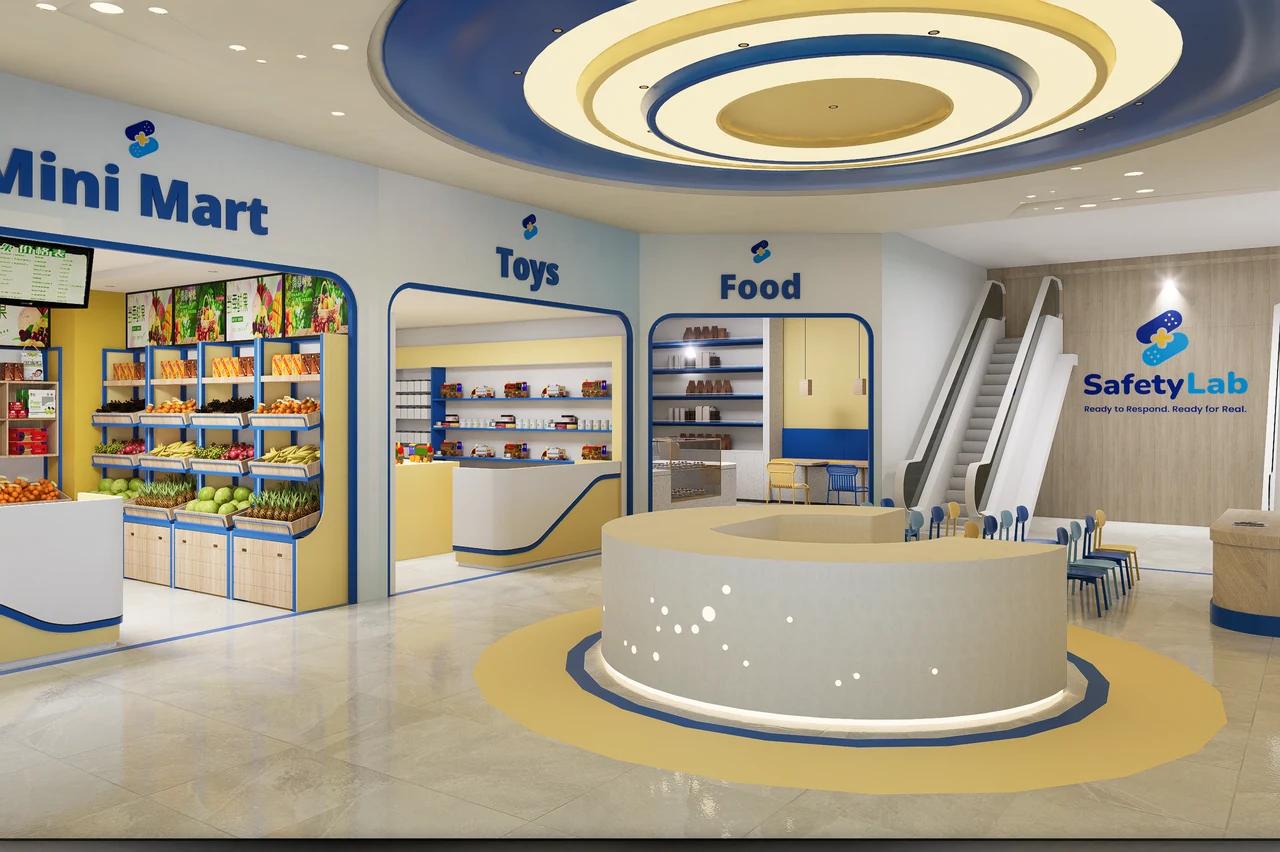
Spot hazards near escalators, lifts and glass doors. Children practise finding security or an information desk if separated, explaining what happened and responding to minor bumps.
Read warning signs, recognize outdoor hazards and find an adult. Practice introduces appropriate responses to scrapes and minor injuries.
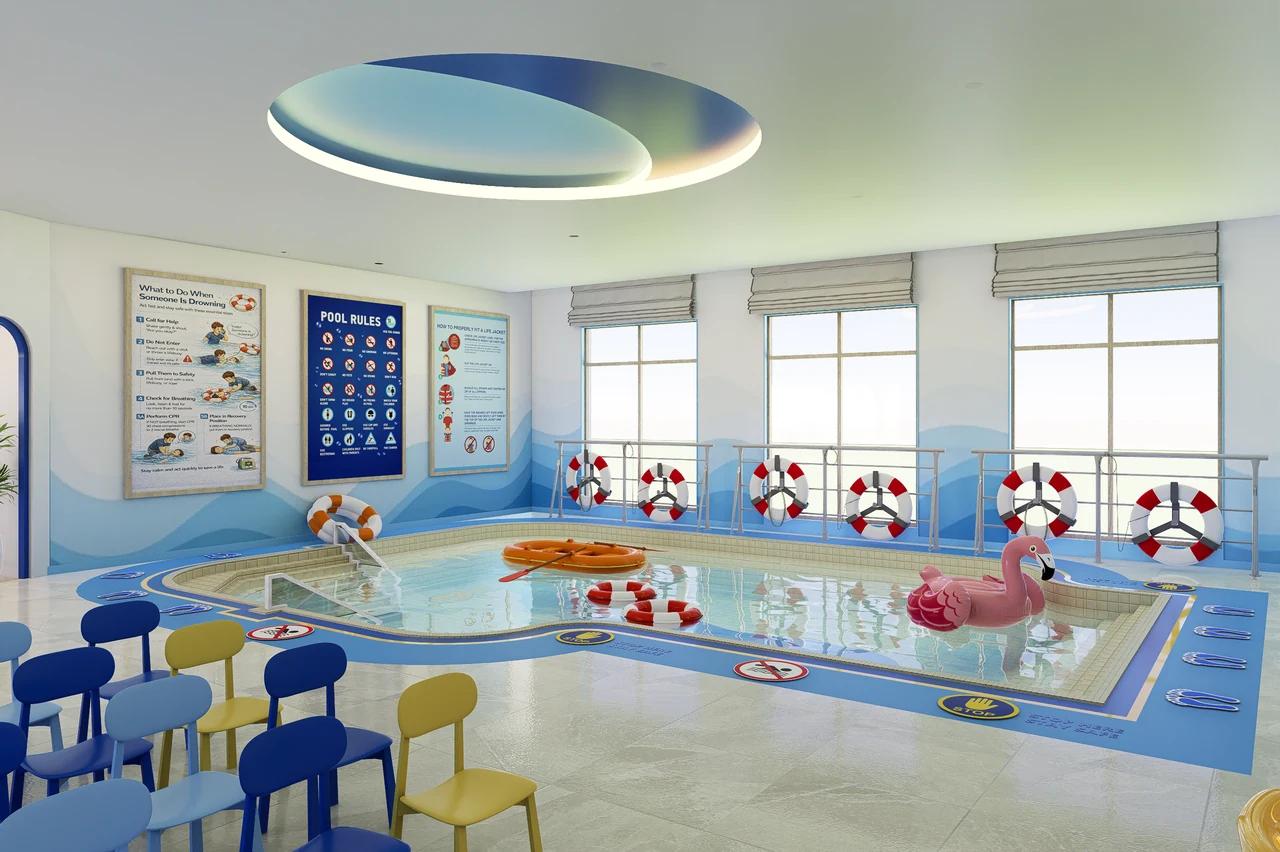
Recognize risks around water, practise using a life jacket and call for help. Simulations emphasize helping from the shore and staying safe.
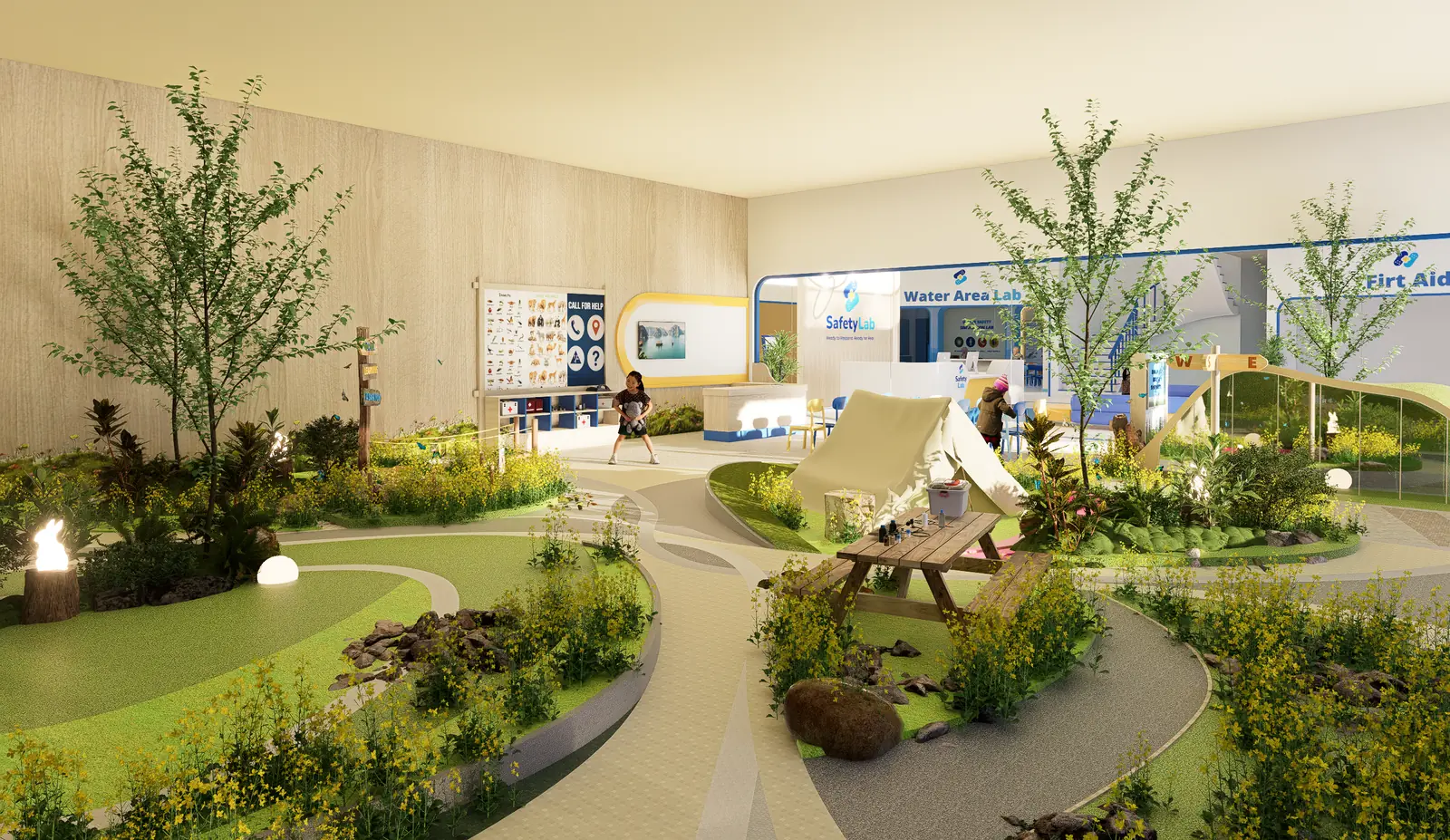
Observe terrain and unfamiliar wildlife, signal for help if separated and describe the hazard. Children learn age-appropriate responses to stings, minor burns and wounds.
Children watch, try the skills and apply them in a simulated scenario.
 90 minutes per session
Recall what children already know through a short scenario.
An instructor explains and demonstrates each step.
Children practise the steps with guidance.
Children apply their skills in a realistic setting.

Instructors give specific feedback for further practice.
The class reviews key points and recognizes progress.
Full Safety Journey
The first intake is expected to open in January 2027.
Core learning
Children build core skills and practise them across different simulated settings.
The following 10 months
Children revisit their skills and continue to practise through scenarios.
Safety Lab plans to select instructors based on three criteria.

Training or certification in teaching.
A healthcare qualification at intermediate level or higher.
Certification in first-aid instruction or training, or an equivalent qualification.
3,600,000 VND
4,000,000 VND
Free experience
Message Safety Lab for the current free experience schedule and to learn which level suits your child.
 Message on Zalo
 Message on Facebook